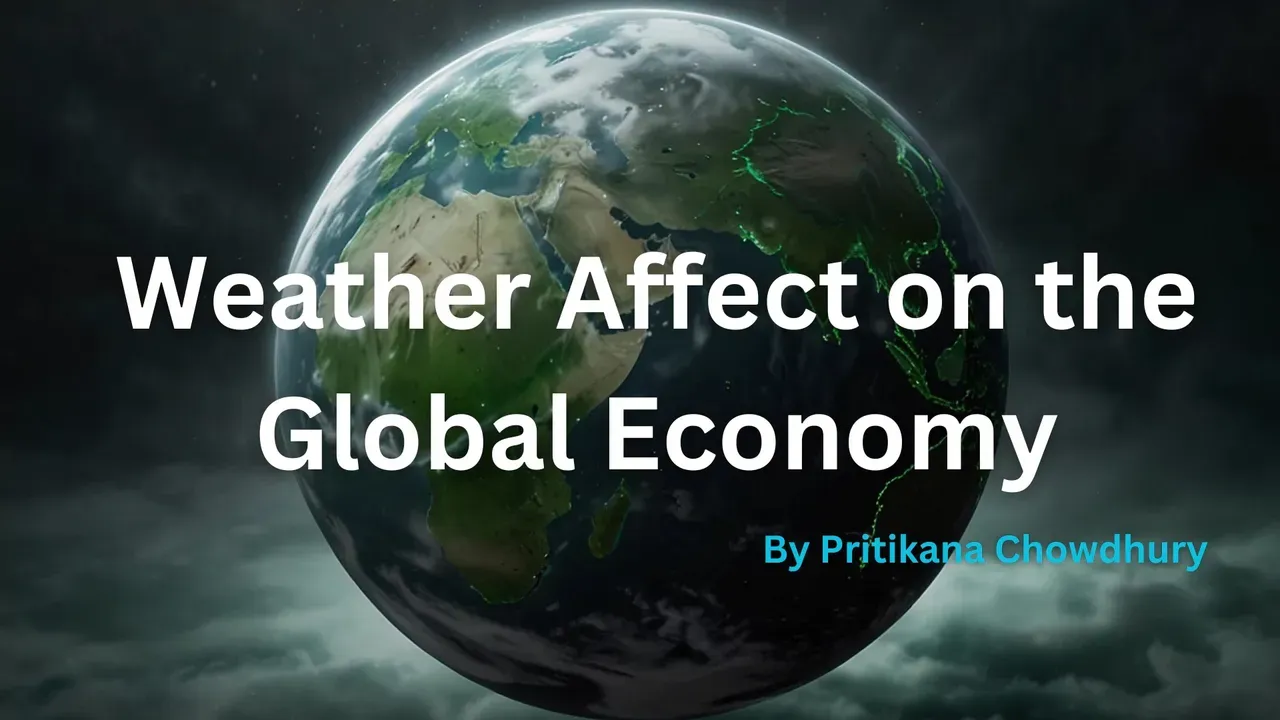
Weather change is the temporary fluctuation in atmospheric conditions over a short period (day-to-day). This involves varying shifts in temperature, precipitation, wind pattern, atmospheric pressure, and humidity. Today, rapidly shifting weather patterns pose a serious threat to global economic stability, causing direct damage to crops and infrastructure, while indirectly harming industries and global markets.
Recent regional anomalies clearly illustrate these shifts:
- Northern India: Experiencing increasingly intense heat waves.
- Coastal Regions: Cyclone Amphan (2020) devastated West Bengal and Bangladesh, while Cyclone Javed impacted Odisha and Andhra Pradesh.
- Southern & Eastern India: Altered seasons in Kerala and West Bengal, where hotter days are juxtaposed with cooler evenings.
- Winter Shifts: Winters have become significantly shorter and milder globally due to the emission of
greenhouse gasescausing rising global temperatures.
Tip: Keep a close eye on local weather advisories. You can easily fetch local weather data right from your terminal to stay prepared!
curl wttr.in/YourCityName
📉 The Core Economic Impacts
The global economy is heavily intertwined with the climate. Below are the most prominent economic sectors affected by unpredictable weather changes.
🌾 Agricultural Losses
Agriculture is entirely weather-dependent. Fluctuations in temperature and rainfall patterns can drastically alter crop productivity.
- Crop Failure: While some crops thrive in hot, humid conditions, others suffer from warmer temperatures, leading to reduced yields.
- Extreme Events: Conditions such as heat waves, cyclones, and over-precipitation cause
floods,droughts, andlandslides. - Economic Ripple Effect:
- Low production pushes up market prices.
- This causes
inflationin the economy, severely impacting underdeveloped and developing nations reliant onsubsistence farming. - Countries must increase imports and decrease exports, directly reducing
GDP growth.
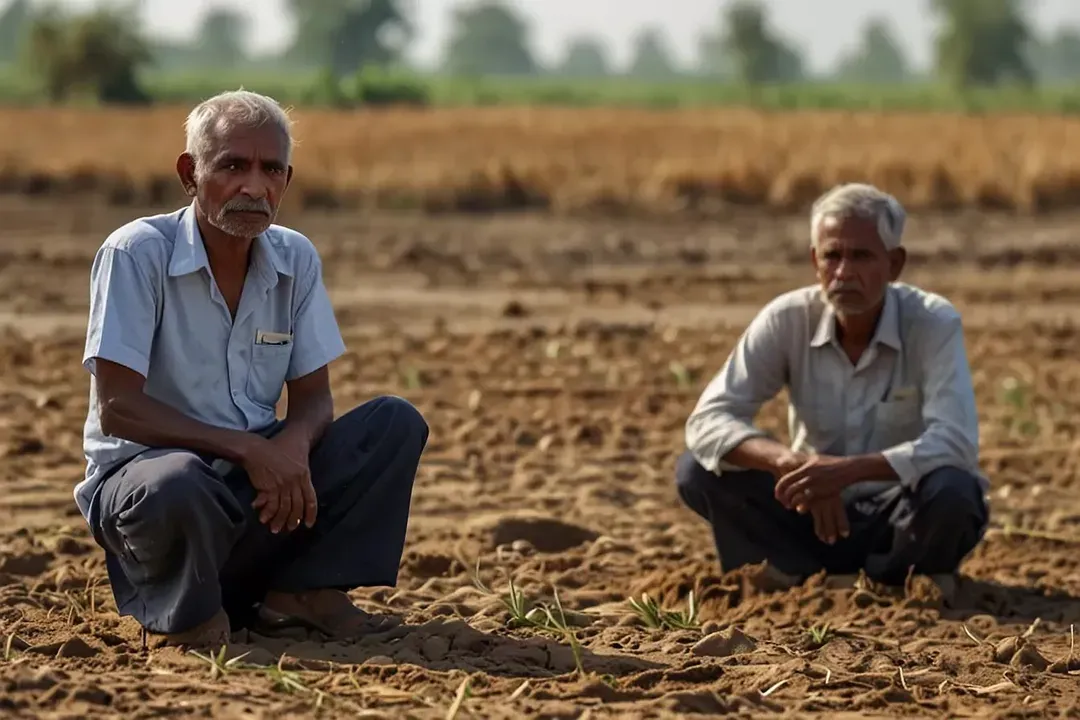 Image Credit: leonardo.ai
🏗️ Infrastructure Damage
Extreme weather wreaks havoc on physical structures and community layouts.
- Direct Destruction: Cyclones and floods cause severe damage to roads, buildings, and
power lines. - Resource Diversion: Funds and materials intended for new investments are wasted on rebuilding and repairing.
- Coastal Threats: Rising sea levels and coastal storms disrupt critical maritime infrastructure, impacting local livelihoods.
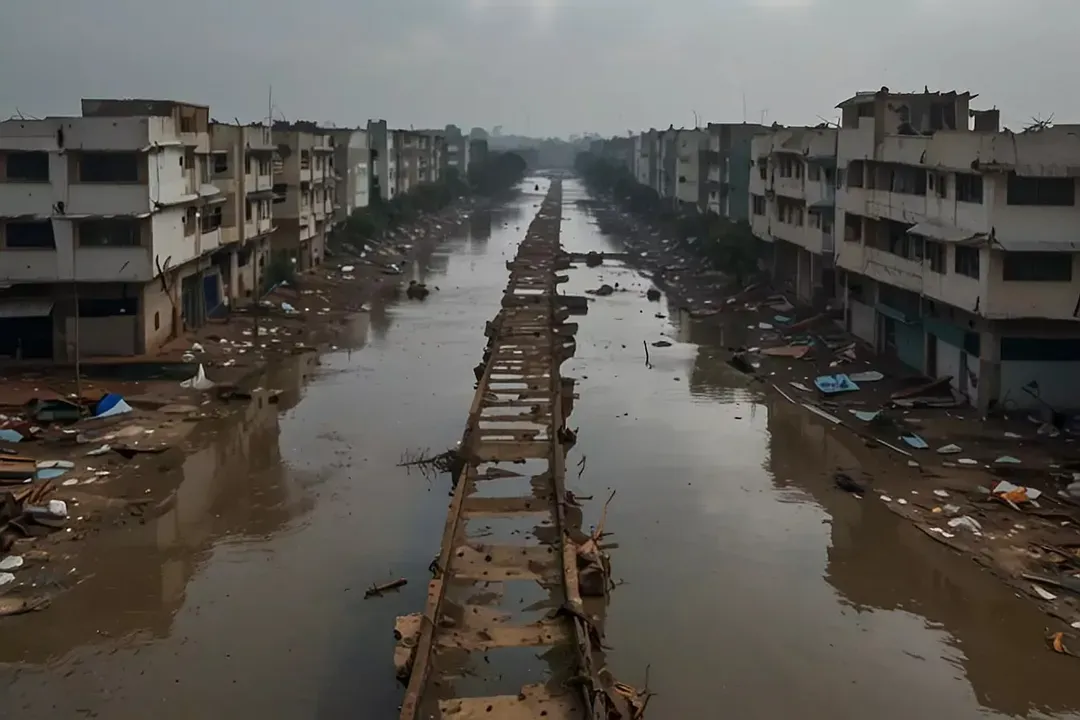 Image Credit: leonardo.ai
🏥 Healthcare Costs
The health sector faces mounting pressures and increased medical expenditures.
- Heat-Related Illnesses: Heat waves lead to
heat strokeanddehydration, driving up hospitalization rates. - Income Loss: Outdoor workers, street vendors, and farmers are highly vulnerable, losing income when conditions are too harsh to work.
- Disease Outbreaks: Heavy rainfall and floods contaminate water supplies, spreading
water-borne diseaseslikeCholera. Stagnant water breeds mosquitoes, transmittingmalariaanddengue. - Respiratory Issues: Increased air pollution and allergens exacerbate
asthmaand other respiratory conditions.
🚆 Transport Disruptions
Reliable transit is the backbone of commerce, but it is highly vulnerable to the elements.
- Transit Delays: Heavy rains, storms, and cyclones cause cancellations for trains, buses, and aircraft.
- Supply Chain Breakdowns: Disrupted transit halts the
supply chain, causing economic disparities that affect both wealthy and poorer demographics. - Accidents and Blockages: Fog reduces visibility (causing accidents), while cyclones block roads with fallen trees and utility poles.
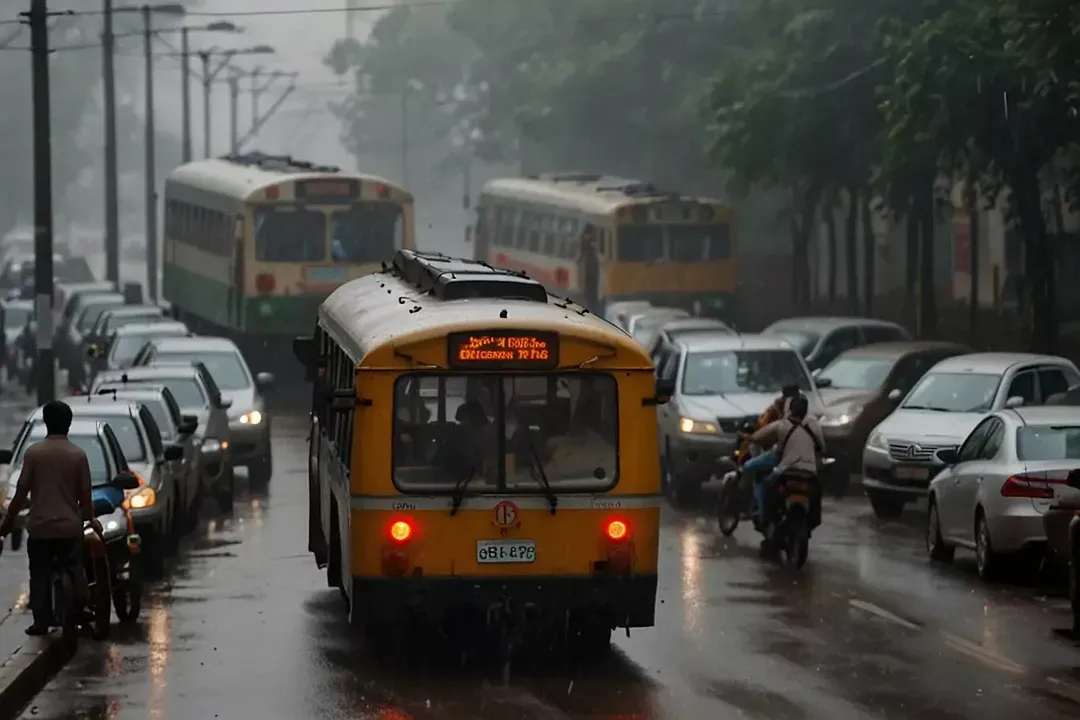 Image Credit: leonardo.ai
🏖️ Tourism Decline
The tourism sector is highly sensitive to ecological and climatic shifts.
- Destination Shifts: Extreme weather events and rising temperatures in traditionally cooler regions deter tourists.
- Ecotourism Losses: The migration of animals and loss of wildlife habitats diminish
ecotourismappeal. - Fiscal Deficits: Reduced tourist footprints lead to closed businesses, localized job losses, and decreased government tax revenues.
🏭 Industrial Sector Challenges
Both long-term planning and short-term execution in the industrial sector are compromised.
- Agro-Industry: Suffers directly from raw material shortages.
- Logistics Costs: Disrupted delivery routes increase transportation costs, raising the final retail price for consumers.
- Construction Delays: Severe weather halts building projects, idling resources.
- Energy Demand: Extreme temperatures require massive electricity investments for
cooling systems, leading to energy waste and localized power shortages.
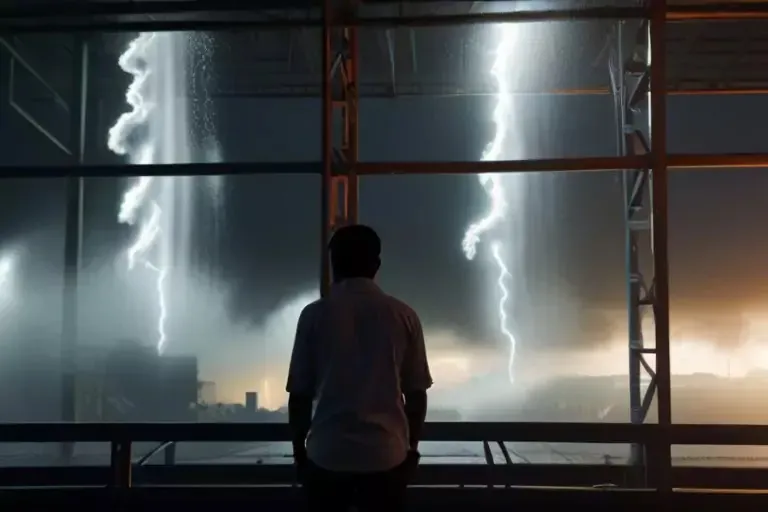 Image Credit: leonardo.ai
🌱 Viable Solutions and Actionable Steps
Mitigating the economic impacts of climate change requires collective and individual action. Here is a step-by-step approach to making a difference:
- Optimize Energy Use: Switch to appliances that consume less energy and transition to renewable energy sources.
- Adopt the 3 Rs: Minimize waste by actively practicing
reduce,reuse, andrecyclemethodologies. - Shift Transit Habits: Use public transport, cycle, or walk instead of relying on private vehicles.
- Conserve Resources: Save water and switch to eco-friendly, chemical-free products.
- Reforestation: Plant trees to restore habitats. Trees act as carbon sinks, absorbing
carbon dioxide, producing oxygen, and regulating the local water cycle.
Warning: We must keep ourselves well-informed about climate science. Ignoring weather changes exacerbates devastating effects! Stay educated and spread awareness.